Every growing business reaches a point where its existing software starts to feel limiting.
At first, off-the-shelf software is usually the right choice. It's quick to set up, relatively affordable, and often provides everything a business needs to get started. A CRM manages customer relationships, accounting software handles finances, project management tools organize tasks, and communication platforms keep teams connected.
As the business grows, however, new challenges begin to appear.
Teams start using multiple systems that don't communicate with each other. Employees spend time copying information from one platform to another. Monthly subscription costs continue to increase, and workflows are adjusted to fit the software rather than the software supporting the way the business actually operates.
This is often the point where business owners begin asking an important question:
Should we continue using off-the-shelf software, or is it time to invest in a custom solution?
There isn't a single answer that works for every business. Both approaches have their advantages, and choosing the right one depends on your goals, processes, and long-term plans.
Why Many Businesses Start with Off-the-Shelf Software
There is a reason platforms like CRMs, accounting systems, and project management tools are so popular. They solve common business problems without requiring a significant upfront investment.
For startups and small businesses, these platforms provide a fast way to begin working without spending months developing software from scratch.
Some of the biggest advantages include:
Quick implementation
Lower upfront cost
Regular updates from the vendor
Established security and support
Large user communities and documentation
For businesses with standard workflows, these platforms often provide everything that's needed.
The challenge begins when your business starts becoming less "standard."
When Off-the-Shelf Software Starts Holding You Back
As businesses grow, their processes become more specialized.
You may introduce new services, create internal approval processes, or develop workflows that are unique to your business. Unfortunately, most commercial software is designed for a broad audience, not for the specific way your company operates.
Instead of supporting your workflow, your team starts adjusting the way they work to fit the software.
You might notice employees maintaining spreadsheets because the system doesn't quite do what they need. Teams may use several different applications to complete a single task, or information may need to be entered multiple times across different platforms.
None of these issues seem significant on their own, but together they reduce productivity and increase the risk of mistakes.
The Hidden Cost of Multiple Software Subscriptions
Many businesses underestimate how much they spend on software each month.
A CRM subscription.
A project management platform.
Email marketing software.
Accounting software.
Reporting tools.
Automation platforms.
Cloud storage.
Communication tools.
Individually, these subscriptions may appear affordable. Combined, they can represent a significant ongoing expense.
The financial cost is only part of the picture.
Each additional platform introduces another login, another interface to learn, another integration to maintain, and another place where important business data is stored.
Over time, complexity becomes just as expensive as the subscriptions themselves.
When Custom Software Becomes the Better Investment
Custom software isn't about replacing every application your business already uses.
It's about solving problems that standard software can't solve efficiently.
Businesses often benefit from custom software when they need to:
Support unique business processes.
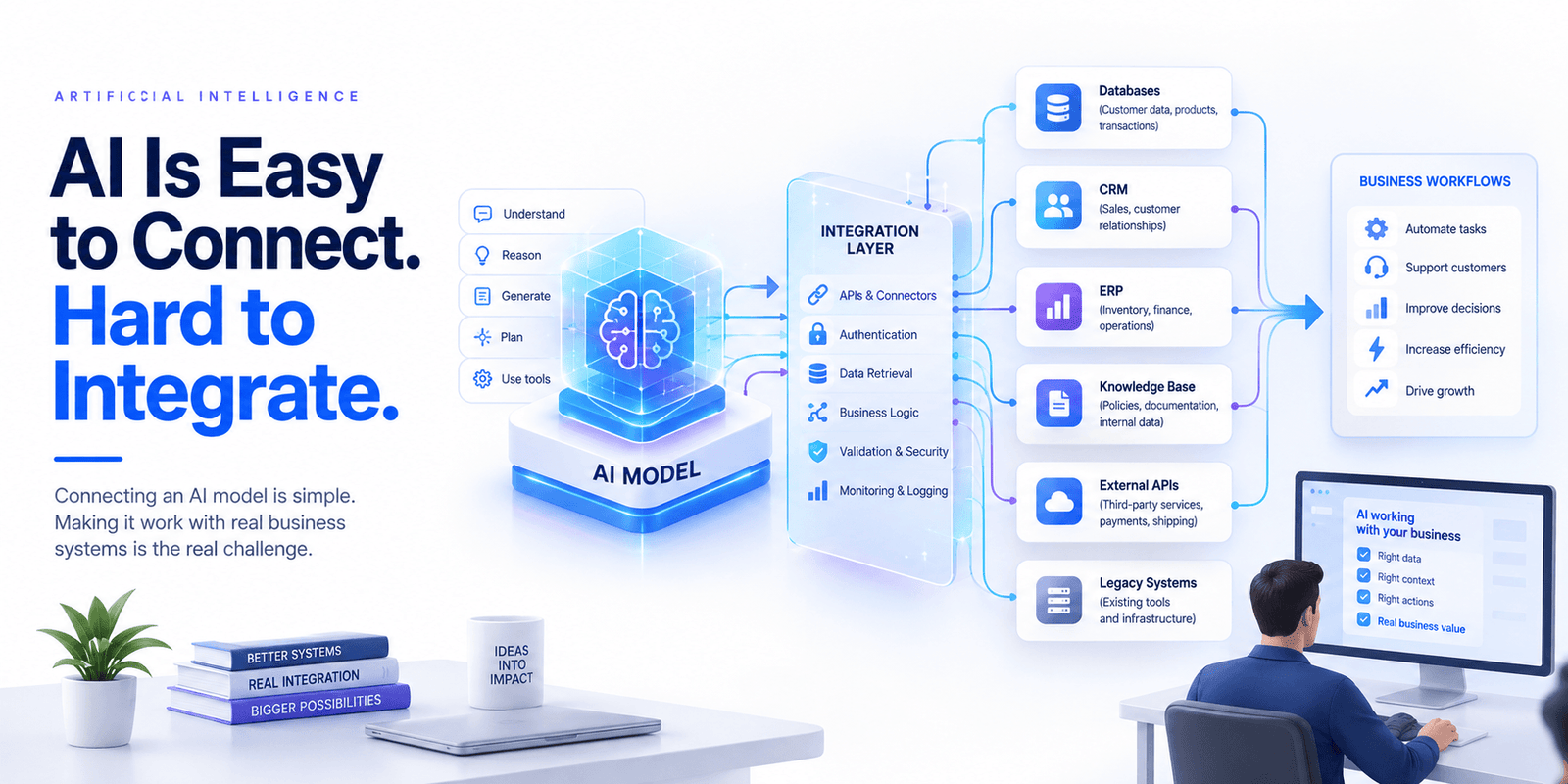
Connect multiple systems through a single platform.
Reduce manual work.
Improve reporting and visibility.
Give employees one place to manage daily operations.
Scale operations without increasing administrative overhead.
Unlike off-the-shelf software, a custom solution is built around the way your business works instead of asking your business to adapt to predefined features.
That flexibility often becomes more valuable as a company continues to grow.
Questions to Ask Before Building Custom Software
Custom software is an investment, so it's important to evaluate whether the timing is right.
Here are a few questions worth asking:
Are we paying for multiple tools that perform overlapping functions?
Do our teams spend a lot of time moving information between systems?
Are manual processes slowing down our operations?
Have our business processes become too complex for our current software?
Will a custom solution save enough time and improve enough efficiency to justify the investment?
If the answer to several of these questions is yes, it may be time to explore a custom solution.
It's Not Always Build or Buy
One of the biggest misconceptions is that businesses must choose one approach over the other.
In reality, many successful companies combine both.
They continue using trusted platforms for accounting, email marketing, or communication while developing custom software for the parts of the business that make them unique.
Custom software can also integrate with existing systems through APIs, allowing businesses to keep the tools that already work while improving the areas that don't.
This approach often delivers the best balance between flexibility, cost, and long-term scalability.
Making the Right Decision
Choosing between building and buying software isn't just a technical decision. It's a business decision.
The right choice depends on your current challenges, future growth plans, and how much value software creates for your organization.
For some businesses, off-the-shelf software will continue to meet their needs for years.
For others, investing in a custom solution can reduce operational complexity, improve efficiency, and create a competitive advantage that standard software simply can't provide.
The goal isn't to build custom software because it's modern or impressive.
The goal is to invest in technology that helps your business operate more effectively.
Final Thoughts
Technology should support your business, not limit it.
Off-the-shelf software provides an excellent starting point for many organizations, and in many cases it remains the right choice. However, when software begins creating work instead of reducing it, it's worth considering whether a custom solution would better support your long-term goals.
The best technology decisions are rarely about choosing the newest or most advanced option. They're about choosing the solution that helps your team work more efficiently, supports your customers more effectively, and gives your business room to grow.
Whether you decide to build, buy, or combine both approaches, the most important question remains the same:
Does this technology help move the business forward?
Share this article