The term 'headless' has been circulating in the web development world for several years, but it's often discussed in terms that assume a technical audience. For business leaders evaluating whether headless architecture is right for their platform, the more useful question is: what does this decision mean for our ability to operate, grow, and adapt over time?
What headless actually means
In a traditional CMS, the system that manages your content and the system that presents it to users are tightly coupled—the CMS controls both the back-end content repository and the front-end presentation layer. In a headless architecture, these two concerns are separated. Content is managed in a CMS and delivered via API to a frontend built with modern web technologies. The 'head'—the presentation layer—is decoupled from the body.
The performance argument
When the frontend is built independently using frameworks like Next.js or Astro, developers have full control over how pages are rendered, cached, and delivered. Static generation, incremental static regeneration, and edge deployment become possible in ways that are difficult or impossible within the constraints of a traditional monolithic CMS. For businesses where page speed is a competitive factor, this flexibility is genuinely valuable.
Flexibility as a business advantage
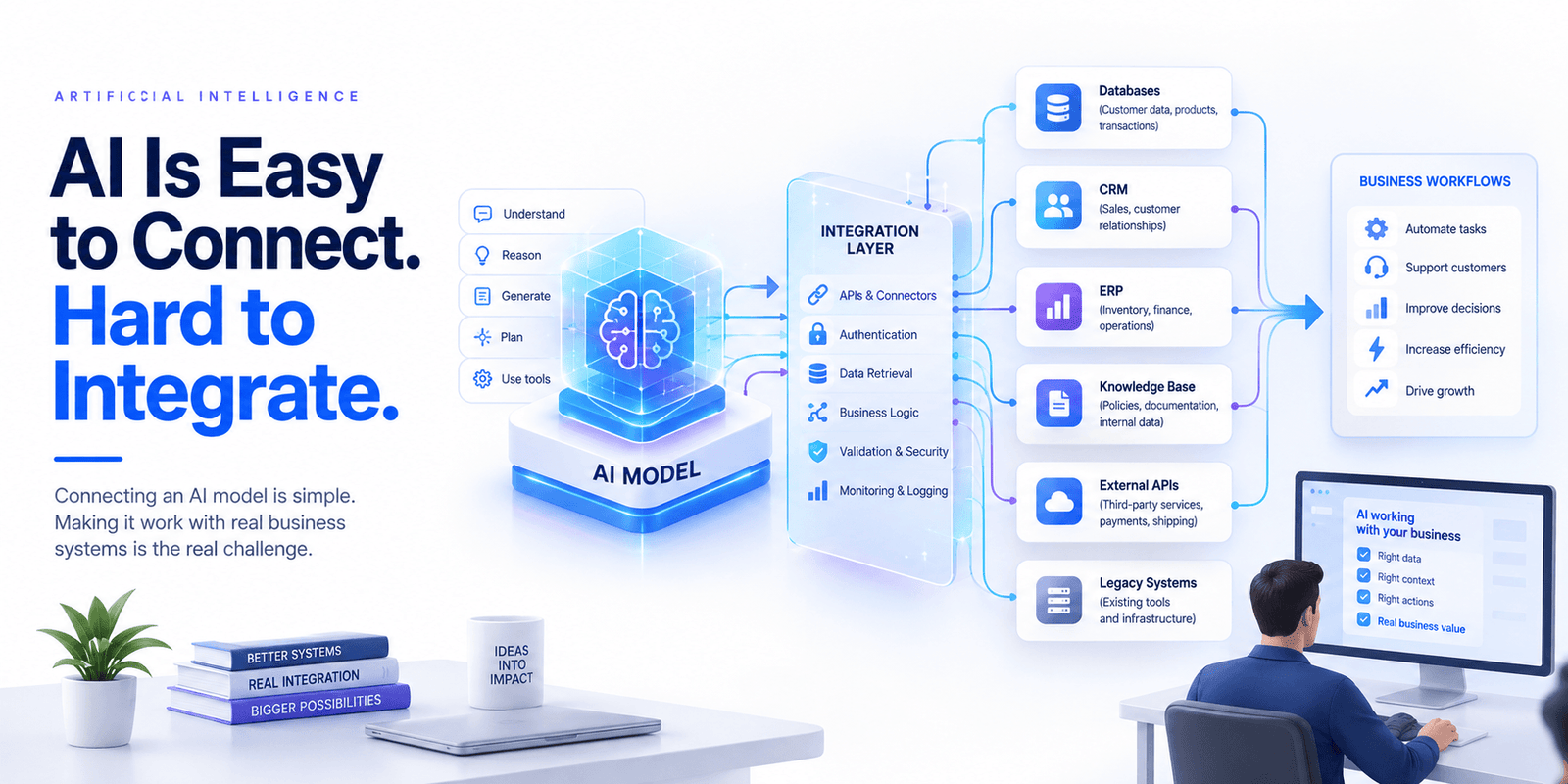
A headless architecture separates the question of how your content is managed from the question of how it is presented and distributed. Content stored in a headless CMS can be delivered to a website, a mobile application, a digital display, or any other channel through the same API. For businesses operating across multiple touchpoints, this omnichannel capability is a meaningful long-term advantage.
When headless isn't the answer
Headless architecture introduces complexity that isn't always warranted. For smaller websites with straightforward content requirements and limited development resources, a well-configured traditional CMS can deliver excellent results with significantly lower overhead. The decision should be driven by the actual requirements of the business—not by a preference for modern technology for its own sake.
Share this article